
Many people today are admirably adopting zero-waste living habits to reduce their environmental impact and contribute to a more sustainable and eco-friendly lifestyle. Making changes to adopt a zero-waste lifestyle can feel overwhelming at first, but it doesn’t have to be a drastic change. By adopting a few small, sustainable habits, you can make a big impact on reducing waste in your household. So regardless of whether you live in an apartment in Jacksonville, FL, rental home in Atlanta, GA, or a family home in Phoenix, AZ, take a look at these expert-recommended zero-waste practices that you can incorporate into your everyday life.
1. Zero-waste living: Start simple
One of the best ways to begin your zero-waste living journey is to start simple and progress after you get the hang of a few basic practices. This tip comes to us from Nikki Andrews, owner of Sankoty Sustainables, who shares that the “Best advice for a zero-waste lifestyle is to reduce waste one step at a time. Do not throw out everything and buy all new zero-waste products. When you run out of one item, then purchase a zero-waste replacement, or make your own. Going zero-waste all at once is overwhelming. When you do it one step at a time, you will look back and find you have traveled quite far.”
There are many sustainable practices that you can adopt when aiming to reduce waste at home, Adrian Pisica from Muser Press shares some of the most common ways to start below:
1. “Reduce single-use plastics: Opt for reusable bags, bottles, and containers to minimize waste and pollution.
2. Energy-saving upgrades: Simple measures like LED lighting and unplugging devices can cut energy use and emissions.
3. Eco-friendly cleaning: Use DIY or refillable cleaning products made from natural ingredients to avoid unnecessary packaging and chemicals.
4. Composting and recycling: Managing food waste and supporting recycling programs help limit landfill contributions and greenhouse gas emissions.
5. Sustainable choices at home: Incorporate natural-fiber textiles and upcycled furniture to reduce waste and promote greener living spaces.”
To find more information on these suggestions as well as other zero-waste practices, take a look at the additional recommendations from our experts below.
2. Reduce single-use plastic
Single-use plastic items like water bottles, straws, and utensils contribute significantly to the global plastic waste problem. A simple yet powerful step toward adopting zero-waste practices is switching to reusable alternatives. Lana Smith founder and owner of Earth Ahead notes that “Adopting a zero-waste lifestyle doesn’t have to be overwhelming — it’s about making small, intentional changes that can add up to a big difference. At its core, zero waste means moving away from the disposable culture we’re accustomed to and choosing reusable, sustainable alternatives instead.
For instance, swapping out a disposable water bottle for a reusable one might seem like a small change, but it can have a huge impact when we all do our part. The potential impact is staggering. If every household in the U.S. replaced plastic cleaning tools with sustainable options for just one year, we could prevent about 3.3 billion pieces of plastic — think bottles, brushes, and sponges — from entering the environment. Small changes at home can ripple out to create a more sustainable world. Ready to make the switch? Start with one room, one product, or even one habit. It all adds up!”
3. Repurpose and recycle Items
Repurposing and recycling are cornerstones of a zero-waste lifestyle. Before tossing something out, ask yourself if it can be reused or repurposed. Sarah from Content Cucumber advises that “Reusing fabric from clothing and linens that are beyond repair can go a long way to reducing waste! In addition to classic solutions like making patches and cleaning rags, you can do a lot with T-shirt yarn. I’m working on making a rug out of several old souvenir tees, but it can also be great for blankets and decoration if you have some fun colors. Another way I like to reduce fabric waste is to frog crochet and knitwear that is beyond repair so I can reuse the yarn.”
Try upcycling old items it into something new rather than buying new items. When it comes to recycling, be sure to follow your local guidelines for what can and cannot be recycled.

4. Use natural/plant-based materials
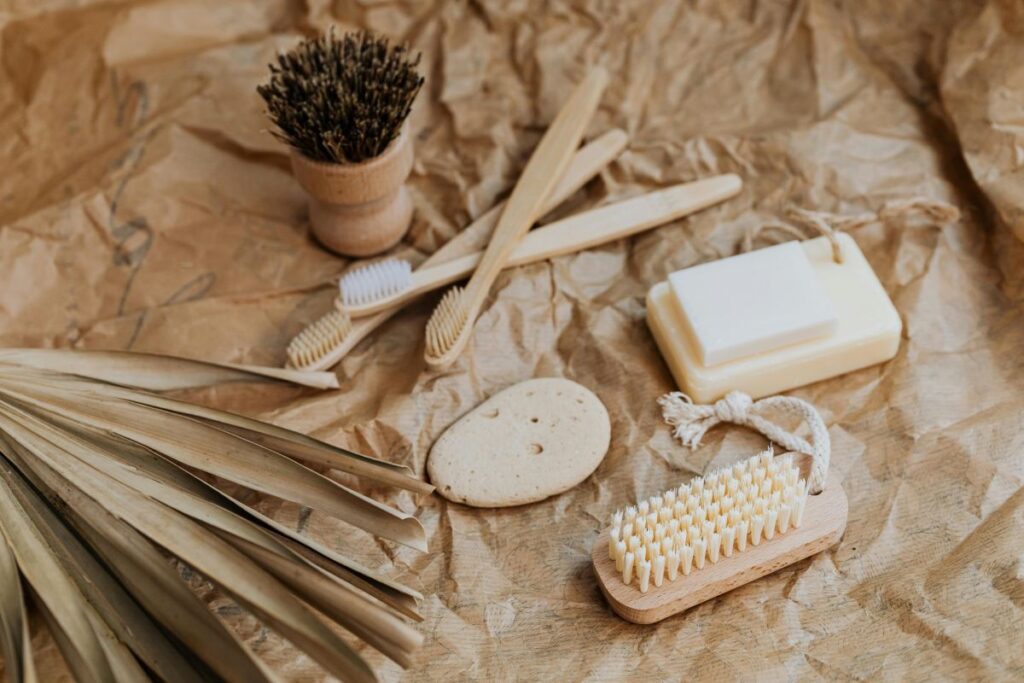
Another important zero-waste practice is choosing items made from natural or plant-based materials over synthetic options. Lana Smith from Earth Ahead also shared that “One of the best places to kickstart your zero-waste journey is in the kitchen. Look for everyday items made from natural, plant-based materials like loofah, cellulose, sisal, bamboo, or coconut. These materials are not only durable but also compostable, making them a smart choice for reducing plastic waste.”
In addition to adopting kitchen and personal care items made of natural materials, our experts also recommend clothing and home goods made of organic textiles. Kathryn Letson shares that “Using organic textiles is a simple yet impactful way to enhance your health and create a toxic-free home. By the Sea Organics, a Hawaii-based eco brand, offers high-quality, sustainable goods to help you embrace a natural lifestyle— check out By the Sea Organics to learn more.” Many plastic-free alternatives are not only better for the environment but are also often more durable and effective. Making the shift to these products may cost a little more upfront, but the long-term benefits to the planet — and your wallet — are worth it.
5. Sustainable dental products
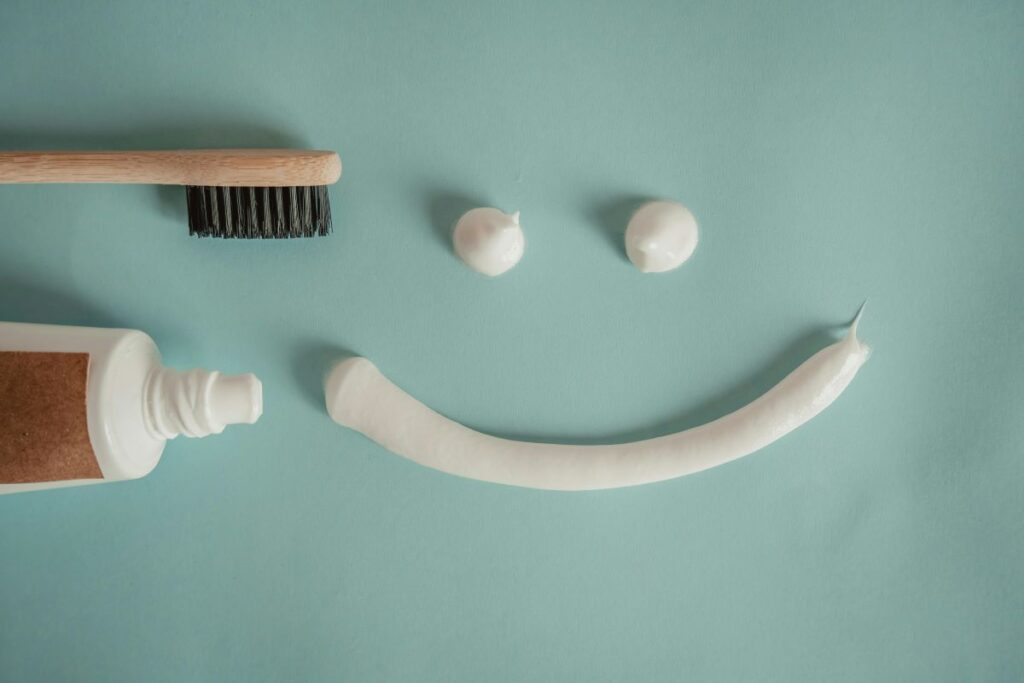
Sustainability can even be applied to your dental routine. The team at Nix Mouthwash advises that “Small changes to our daily habits can help reduce plastic waste dramatically. Switching to sustainable dental products such as bamboo toothbrushes, biodegradable floss, and zero-waste mouthwash (such as Nix Mouthwash) makes a big difference! Since 90% of mouthwash is water, shipping conventional plastic bottles of liquid mouthwash is extremely wasteful and contributes to carbon emissions.
Not to mention, over 500 million plastic mouthwash bottles end up in landfills and oceans each year! Conventional dental floss is just as bad – they are made from non-biodegradable, petroleum-based plastic, and the average household uses a football field’s worth of floss in a year!” Consider flossing with natural silk or compostable floss instead of plastic options. The key to zero-waste dental care is finding alternatives that are effective and gentle on both your teeth and the planet.
6. Join local buy-nothing and freecycle groups
The buy nothing movement and freecycle groups have grown in popularity as a way for people to give away unwanted items for free, promoting the reuse of goods rather than buying new ones. This tip came to us from Sarah from Content Cucumber, who shared that “One of our favorite zero waste habits is to join local buy nothing and freecycle groups. These groups are a great way to gift things you no longer use to people in your community who will enjoy them.
They can also be a great way to find affordable and zero-waste items you need. Some of my favorite things I’ve gotten from my buy nothing group include a DVD player, a couch, and a rocking chair. I’ve seen everything from washing machines to nail polish go through the group over the years.”
By joining local buy nothing or freecycle groups, you can not only pass along items you no longer need but also pick up useful things that others are giving away. In addition to reducing waste, this helps foster a sense of community as people share and exchange goods with one another.
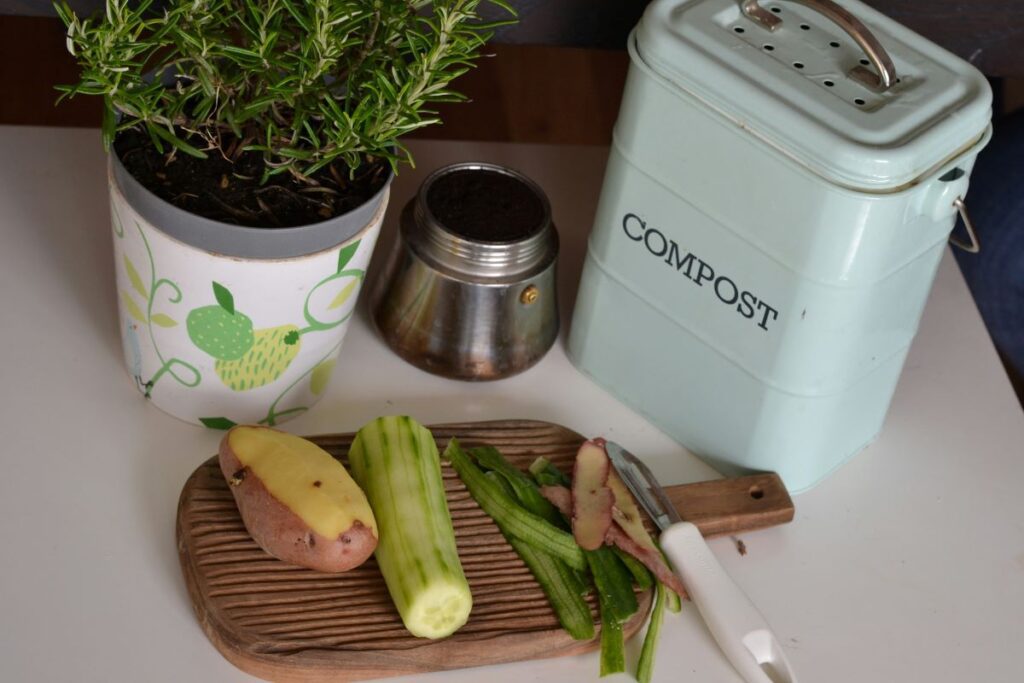
7. Compost to promote zero-waste living
Composting is one of the most effective zero-waste practices to reduce food waste and return nutrients to the earth. Instead of throwing away food scraps, coffee grounds, or yard trimmings, composting allows you to recycle organic material naturally. The team at Wompost shared their expert insights on composting below:
“Whether in your backyard, with your city service, or with a local micro-hauler like Wompost, composting is the best way to reduce your waste footprint. First, it is a large part of our trash bin. On average, 60% of a Denverite’s trash could be composted. This number may be higher in cities without a composting service. Second, composting fights climate change not once, but twice! When compostable waste goes to a compost pile rather than a landfill, it avoids methane emissions, and turns into a rich soil amendment. When we use that compost soil in gardens, the plants grow bigger and healthier and sequester more carbon dioxide from the atmosphere to store it safely in the ground.”
Not only does composting keep waste out of landfills, but it also enriches your soil for gardening. If you don’t have a yard, consider a countertop composting bin or check with local composting programs for curbside pickup.

8. Support organizations advocating for collective action
While individual action is important, systemic change is necessary to tackle the global waste crisis. Supporting organizations that advocate for waste reduction legislation and support sustainable living practices can amplify your impact.
“The most impactful way to create a less wasteful world is to engage in systems change,” says the Lauren Sweeney, Co-founder and CEO at DeliverZero. “One way to do this is by supporting organizations advocating for legislation — Beyond Plastics is a fantastic resource for anyone eager to get involved. Another way is to champion businesses that make zero-waste living accessible. This could mean buying home and personal care products from Blueland, shopping for secondhand clothes on Poshmark, purchasing in bulk from a local refill shop, or using a reuse system like DeliverZero.
On a personal level, small steps like carrying a reusable water bottle or making DIY cleaning products can align with your values and make a difference. However, it’s crucial to pair these efforts with systemic and community-based actions for lasting impact. Individual choices matter, but collective action is key to solving the waste problem.”
Look for local or national organizations that push for policies related to plastic bans, extended producer responsibility, or investment in waste management infrastructure. Whether through donating, signing petitions, or spreading awareness, supporting these organizations can help create a broader movement for waste reduction.
9. Shop secondhand
Shopping secondhand is one of the easiest ways to practice zero-waste living while saving money. Thrift stores, consignment shops, and online marketplaces are great places to find gently used clothing, furniture, books, and more. The team at Brush with Bamboo shared that “Buying second-hand is a powerful and effortless way to embrace zero waste living. It keeps perfectly good items out of landfills, giving them a second chance while cutting down on waste. You’re not just saving money — you’re saving resources by reducing the demand for resource-intensive new products.
With thrift stores, online marketplaces, and community swaps everywhere, it’s easier than ever to find treasures with a story. Every pre-loved item you choose is a win for your wallet, your style, and the environment.” By purchasing secondhand items, you extend the life of products and reduce the demand for new manufacturing, which often comes with significant environmental costs. This practice not only reduces waste but also gives unique and one-of-a-kind items a second life.

10. Be mindful of energy consumption
Energy consumption is another significant contributor to waste. By being mindful of your energy use at home, you can reduce your carbon footprint and minimize your environmental impact.
The team at Wildgrid are very knowledgeable about ways to reduce energy consumption, and shares that “A really powerful yet simple way to work toward a lower-waste lifestyle is to stay conscious of your energy consumption at home. One of our go-to energy conservation moves is lowering the thermostat and/or water heater by a few degrees. Since heating and cooling typically account for the largest portion of home energy bills, this small change can significantly reduce both your energy footprint and monthly expenses.
For an even bigger impact, consider supporting your state’s transition away from polluting power sources by joining a local community solar farm! Whether you rent or own, you can sign up for free and earn solar credits that lower your energy costs by a bit while helping build a cleaner power grid. For more clean energy and home electrification tips, sign up for Wildgrid’s newsletter!”

11. Recycle dated technology
Technology becomes obsolete at a rapid pace, but that doesn’t mean it has to end up in a landfill. Instead of throwing away old electronics, try recycling them through proper channels or donating them if they’re still functional. Debra M. from Gadget Salvation provides invaluable information on the benefits of repurposing electronics below:
“Since 2008, we at Gadget Salvation have bought and repurposed thousands and thousands of used computers and other devices. And being in the electronics buyback industry, naturally, we’d like to talk about recycling dated technology.
- One of the easiest ways to reduce mounting e-waste is to resell unwanted electronics. Too many people still let their gadgets sit in drawers, letting them become obsolete. But the truth is, there is likely some value in your old tech. With online buyback platforms like Gadget Salvation, selling your used electronics has become convenient and commercial. Even if your tech is too old to have salvage value, we will help you recycle it free of charge.
- We also encourage our customers to space out their upgrades. And yes, we know getting your hands on that latest iPhone model is tempting, but if there is nothing wrong with your last year’s gizmo, there is really no reason to replace it. Instead, practice proper maintenance, keep up with software updates, and invest in accessories to protect your electronics (cases, covers, etc.). It will help you extend the service life of your tech, preventing and postponing unnecessary (and costly) replacements.
- Lastly, consider buying refurbished or pre-owned electronics. This practice can considerably curb the environmental impact of manufacturing while boosting your bottom line, as you can get a gently used reconditioned gadget and save 50-70% off the original retail price!”
12. Buy high-quality and multi-purpose items
Investing in high-quality, durable products is a smart long-term strategy for zero-waste living. Instead of constantly replacing cheap, disposable items, focus on purchasing goods that are built to last.
“My main strategies for reducing waste are about simplicity and intention,” says Erika Martins from Oil and Water Skincare. “Bring things into your home that last, from cookware to clothes, and take good care of them. Look for products that do double or triple duty, such as an all-purpose cleaning concentrate that can be used for everything from laundry soap to window cleaner, or a skincare product that works head-to-toe. You’ll be more likely to go through every last drop and will consume far less packaging.”
High-quality clothing, kitchenware, and products tend to require less maintenance and last longer, reducing the need for frequent replacements. Look for products made from sustainable materials and prioritize craftsmanship over quantity.

13. Eat whole foods
Finally, one of the most impactful zero-waste practices is embracing a whole-food diet. “Eat mostly whole foods — not only are they best for your health, but they also reduce packaging waste,” shares expert Erika Martins from Oil and Water Skincare. It’s also important to note that whenever possible, buy in bulk to further reduce packaging waste, and consider growing your own produce if you have the space.
Bring zero-waste living to your home: In a nutshell
Bringing zero-waste living into your home doesn’t mean making drastic changes overnight. By gradually incorporating sustainable habits like composting, using reusable water bottles, repurposing items, and supporting eco-friendly companies, you can significantly reduce your environmental footprint. Whether it’s shopping secondhand, eating whole foods, or being mindful of energy use, each small change makes a meaningful difference. Remember, the journey to a zero-waste home is a process — take it one step at a time, and celebrate your progress along the way!